
March 2026 Newsletter
Tendon Injuries in the Racehorse
As we are in the midst of the national hunt season, it seems an appropriate time to discuss a frustrating, albeit not uncommon problem we see amongst racehorses. Sadly, tendon injuries remain one of the most common and career-limiting problems in racehorses, in fact, 6-13% of racehorses develop a SDF tendinopathy during racing. Despite advances in veterinary and training practices, damage to the major tendons of the lower limb continues to challenge trainers, veterinarians, and owners alike. Understanding how these injuries occur, how they are treated, and how they may be prevented is essential for anyone involved in the racing industry.
What Are Tendons and Why Are They Important?
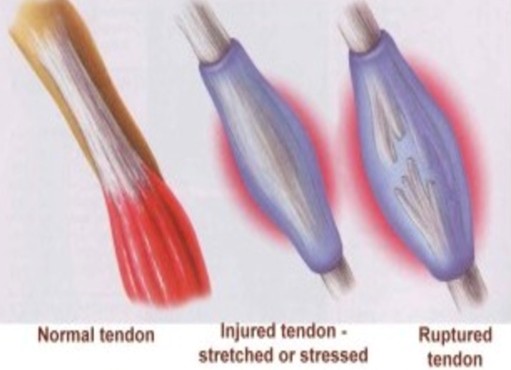
Tendons are strong, fibrous connective tissues that attach muscles to bones. In the racehorse, the most commonly injured tendon is the superficial digital flexor tendon (SDFT), located along the back of the cannon bone. This tendon acts like a spring during high-speed exercise, storing and releasing energy as the horse gallops. Because racehorses operate at the limits of their biomechanical capacity, the SDFT is subjected to enormous strain during racing and fast training.Any amount of fibre damage is significant, as all weaknesses the continue to worsen if the horse keeps galloping. The deep digital flexor tendon (DDFT) can also be injured, although this tends to occur more frequently in sport horses and older animals.
How Do Tendon Injuries Occur?
Tendon injuries in racehorses are typically the result of cumulative microdamage rather than a single traumatic event. During repeated high-speed exercise, small fibres within the tendon experience microscopic tearing. Over time, if the tendon is not allowed sufficient recovery, this damage accumulates until a more significant lesion develops.
Several factors contribute to tendon injury risk:
- High-speed work and racing frequency
- Firm track surfaces
- Fatigue during training or racing
- Poor limb conformation
- Previous tendon injury
- Age and training intensity
Clinical Signs
Early detection is critical. Signs may include:
- Heat in the back of the cannon bone
- Swelling or thickening of the tendon (“bowed tendon”)
- Pain on palpation
- Mild or moderate lameness
- Reduced performance or reluctance to train
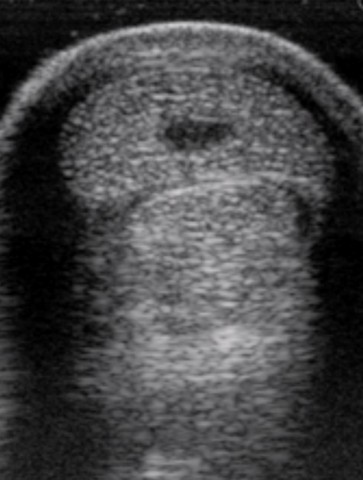
The diagnosis is confirmed using ultrasonography, which focuses on fibre disruption and allows us to measure the size/extent of the lesion and therefore determine prognosis and an appropriate treatment plan.
Treatment and Rehabilitation
Management of tendon injuries focuses on allowing the tendon to heal while minimising scar tissue formation. A tendon injury left to its own devices will inevitably end up with some amount of fibrous scar tissue, unfortunately making this tendon less elastic and subsequently more prone to reoccurrence. However, despite all of these treatments that reduce the risk of reoccurrence, rest is also needed.
Initial treatment usually includes:
- Rest and controlled exercise (walker exercise is often indicated after a period of rest)
- Cold therapy and anti-inflammatory medication
- These are particularly helpful in the early days post injury to reduce pain, inflammation and swelling.
- Support bandaging
As healing progresses, a structured rehabilitation program becomes essential. Controlled walking, followed by gradual reintroduction of trotting and cantering over several months, helps align new collagen fibres and restore strength.
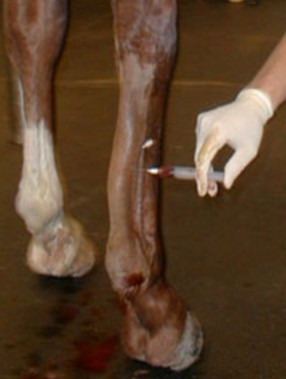
Modern therapies may also be used, with the aim of these helping with the regeneration of health elastic tendon fibres that are fully aligned.
- Platelet-rich plasma (PRP) injections
- This involves centrifuging a sample of blood, separating the platelets from the other blood cells then re-injecting these platelets into the lesion.
- Stem cell therapy
- Regenerative medicine techniques
Even with advanced treatments, recovery is lengthy, often requiring 9–12 months before a horse can return to full training.
Prognosis and Risk of Re-Injury
Tendon tissue rarely regenerates with the same elasticity as the original structure. Instead, healing produces scar tissue that is less flexible. As a result, the risk of re-injury remains frustratingly high. Careful management during rehabilitation and a gradual return to work are therefore critical to improving long-term outcomes.
Prevention Strategies
While tendon injuries cannot be eliminated entirely, there are some easy strategies that can be implemented to reduce this risk. This includes daily monitoring of heat and swelling, progressive reintroduction to work and the use of ultrasound scanning prior to any increase in exercise regime to monitor tendon health. Some trainers also incorporate swimming or water treadmills to maintain cardiovascular fitness while reducing limb strain.
Looking Ahead
Research into tendon biology and regenerative medicine continues to improve the outlook for injured racehorses. Advances in imaging, early detection, and biologic therapies offer hope for better healing and lower recurrence rates. However, the key to protecting the racehorse remains balanced training, vigilant monitoring, and early veterinary intervention.
Thanks for reading, I hope that this has been a useful insight! Good luck for the rest of the season!
Best wishes,
Molly