
February 2026 Newsletter
Is Your Mare Ready for the 2026 Breeding Season
A Practical Guide for Barren, Maiden and Previously Slipped Mares
This follows on well from last month’s newsletter dealing with the foaling mare, well written by Dave who is unfortunately leaving us and will be missed along with Hercules, his partner in crime. With the breeding season fast approaching in the UK, February and March are the ideal months to assess mares that are not currently in foal. Early preparation can significantly improve conception rates and help avoid frustration once the season is underway. Whether your mare is maiden, barren from last year, or has previously lost a pregnancy, a structured pre-breeding plan is one of the most important steps you can take.
1. Start With a Reproductive Examination
A full reproductive work-up before covering is strongly recommended — particularly for mares that failed to conceive last season.
A pre-breeding exam typically includes:
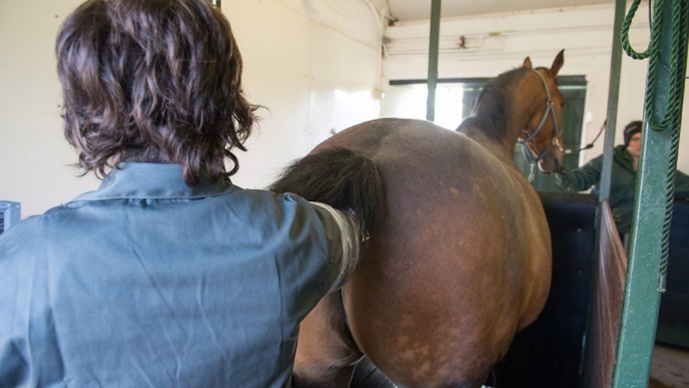
Transrectal ultrasound
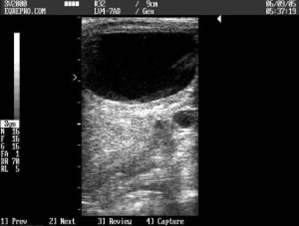
- Assessment of ovarian activity
- Detection of cysts or abnormalities
- Evaluation of uterine oedema patterns
- Identification of fluid or signs of inflammation
Uterine swab and/or cytology
Subclinical endometritis is one of the most common causes of poor fertility in mares — and many show no outward signs.
Early diagnosis allows:
Time for resolution before insemination
Targeted antibiotic therapy (if required)
Uterine lavage where appropriate
Perineal conformation assessment
Poor vulval conformation can allow air and contamination into the reproductive tract. In some cases, a Caslick’s procedure may be advised prior to or post breeding.
Addressing these issues early avoids missed cycles and repeated coverings.
2. Body Condition
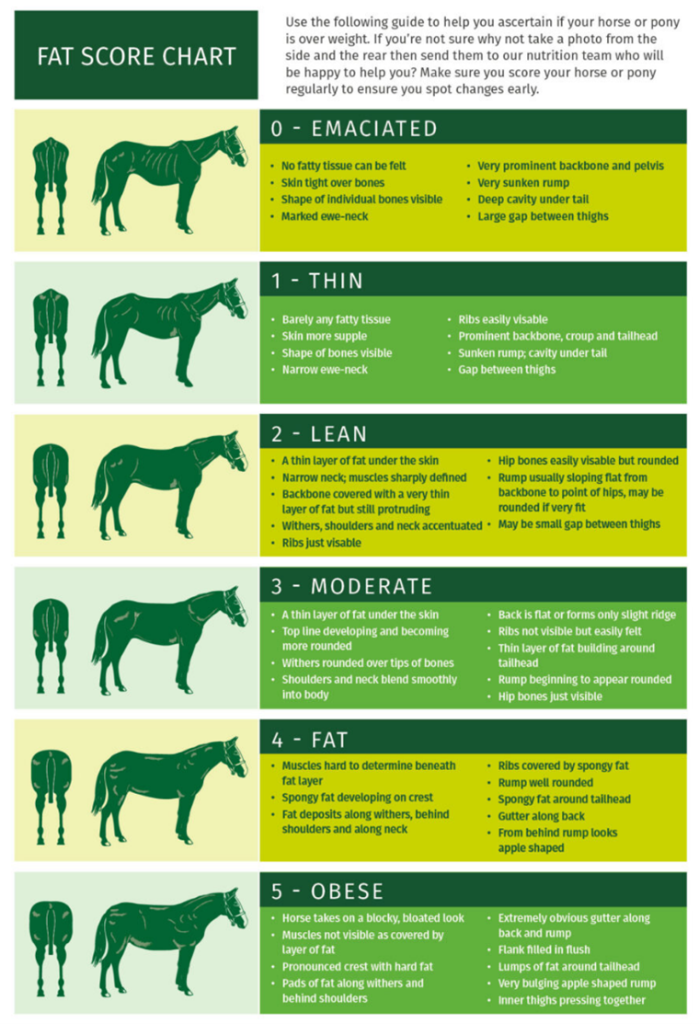
Mares should enter the breeding season at a body condition score of 3/5.
- Underweight mares may show delayed or weak cycling.
- Overweight mares may have reduced fertility and are at greater risk of metabolic complications.
This is particularly important for native breeds and good doers heading into spring grass. If your mare has a history of laminitis, Equine Metabolic Syndrome (EMS), or PPID (Cushing’s), careful nutritional and veterinary management is essential before breeding is attempted to maximise the chances of conception.
3. Understanding the Transitional Period
In the UK, increasing daylight stimulates cycling, but many mares are currently in the spring transitional phase.
During transition:
- Follicles may grow and regress without ovulating.
- Cycles can be erratic.
- Behavioural teasing signs are unreliable.
This can lead to frustration if breeding is attempted too early.
For early-season breeding (February–March), artificial lighting of ~16 hours of light per day should ideally have started in December or early January. If not, patience and careful ultrasound monitoring may be required.
4. Planning Your Breeding Method
The type of semen used significantly affects management:
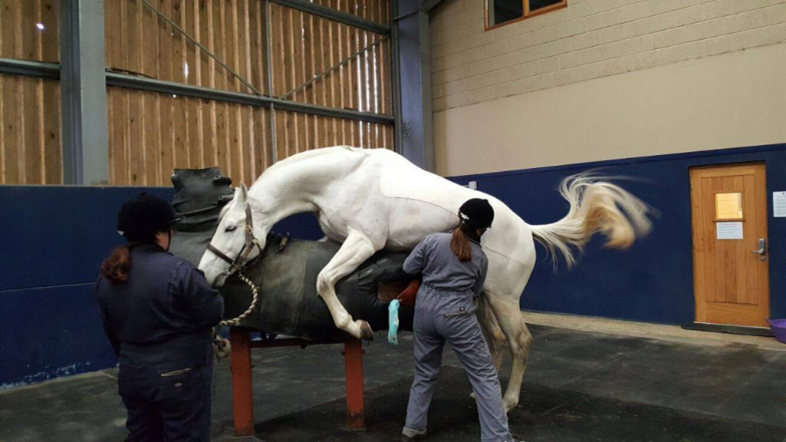
Natural covering
- Less intensive monitoring
- Still benefits from accurate timing
Chilled semen
- Requires coordination and timely scanning
- Ovulation-inducing agents are often used
Frozen semen
- Most intensive monitoring
- Often requires repeated scans around ovulation
- Precise timing is critical for success
Discussing your stallion choice and semen type early allows us to design an appropriate scanning protocol and avoid last-minute complications.
5. Don’t Overlook General Health
Reproductive success depends on overall health.
Before breeding, ensure:
- Vaccinations are up to date (particularly flu and tetanus)
- Worming strategy is appropriate
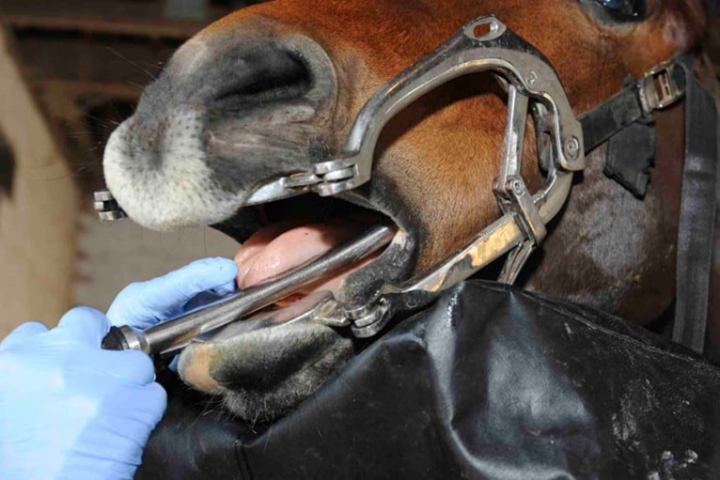
- Dental care is current
- Any underlying lameness or chronic illness is managed
Stress, pain and systemic disease can negatively affect fertility.
6. Managing Expectations
Even with optimal management:
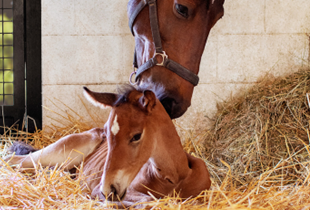
Not all mares conceive on the first cycle.
Early embryonic loss can occur.
Older mares may require more intensive support.
A proactive plan, clear communication and realistic expectations help make the process far less stressful.
When Should You Book?
Ideally:
- Maiden mares: 4–6 weeks before planned breeding
- Barren mares: As early as possible
- Problem mares: Well before the season starts
Early assessment allows time to investigate and treat any issues before valuable cycles are lost.
Final Thoughts
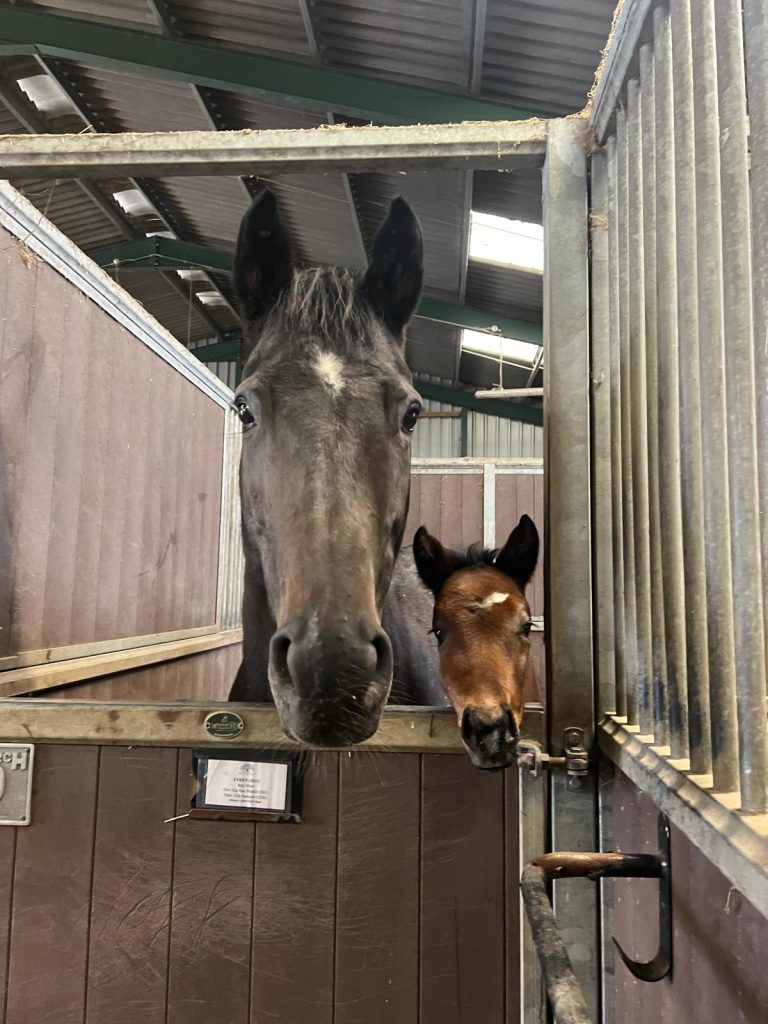
Breeding is a significant investment — emotionally and financially. A structured pre-season examination greatly improves the likelihood of a smooth and successful breeding season.
If you are planning to breed from your mare this year, now is the time to put a plan in place.
Please contact the practice to arrange a pre-breeding examination or to discuss your mare’s individual requirements.
All the best,
Patrick