

August 2025 Newsletter
Gastric Ulcers in Racehorses — What You Need to Know
Horses have evolved to trickle feed daily for up to 18 hours daily and compared to their size, their stomachs are pretty small (roughly rugby ball size).
Gastric ulcers are one of the most common (and often overlooked) performance issues in racehorses. Studies show that over 90% of racehorses in training are affected, often without obvious signs until performance suffers.
What are gastric ulcers?
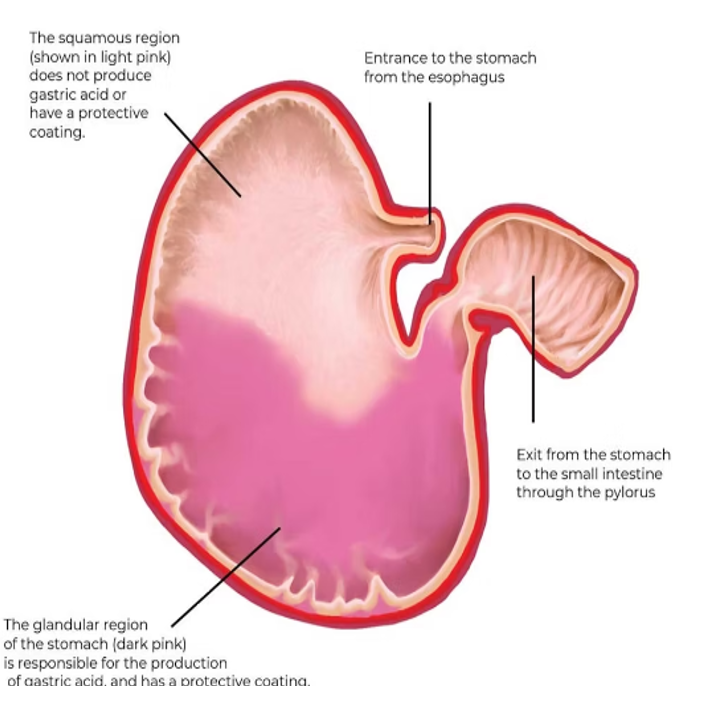
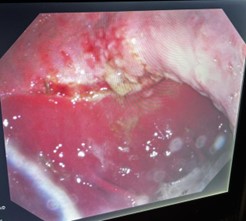
Gastric ulcers occur when the protective lining of the horse’s stomach is damaged by excessive acid. The equine stomach has two sections:
- Squamous (upper – light pink) – more prone to acid damage.
- Glandular (lower – dark pink) – produces acid and has protection, but can still ulcerate under stress.
Why Racehorses Are at Risk?
Racehorses are particularly vulnerable due to:
Increased days of work per week – Exercise causes disruption of normal blood flow to the stomach and exercise means a higher incidence of splash-back
Intense training causing splash back of acid
High levels of peptin hormone lead to an increased production of stomach acid
Exercise causes an increase in intra-abdominal pressure due to abdominal muscle contraction. This results in compression of the stomach and exposes the squamous (sensitive) part of the stomach to acid splash-back.
High-grain diets
Less chewing leads to less saliva (which is responsible for buffering stomach acid).
Frequent travel & stabling – stress disrupts normal feeding patterns.
Long fasting periods before exercise – acid attacks unprotected stomach lining.
Why does it affect performance?
Gastric ulcers can affect a horse’s performance by causing abdominal discomfort, this in turn decreases their appetite and energy levels. Further down the line, this leads to a reduction in both stride length and frequency. It also affects their oxygen consumption and reduces fatigue time.
Symptoms
- Reduced appetite or picky eating
- Weight loss despite normal feed
- Poor coat condition
- Diarrhea
- Colic
- Changes in temperament — irritability, reluctance to train
- Girthiness or flinching when tacked up
- Unexplained dips in performance
Diagnosis
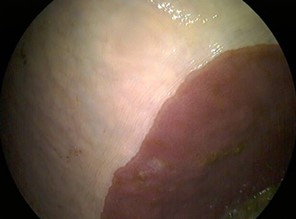
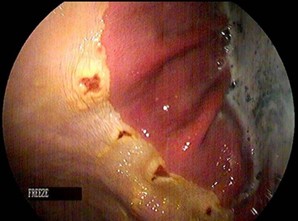
The gold standard is gastroscopy (a camera examination of the stomach). This allows vets to confirm ulcers, grade their severity and create a treatment plan.
Treatment & Management
- Medication – Omeprazole (or more recently esomeprazole) is the most common and effective treatment → This is a proton pump inhibitor which reduces stomach acid production
- Best given 1h before breakfast to increase absorption by 3x.
- Mucosal protection – Sucralfate sticks to the stomach lining, acting as a physical barrier against stomach acid.
- Feeding adjustments – These include: More forage, less starch, feeding before exercise to soak up stomach acid
- Lifestyle changes – Increased turnout, reduced stress, smaller grain meals.
- Preventive supplements – buffers and coating agents may help in some cases (albeit they cannot cure ulcers alone).
Prevention Tips for Trainers & Owners
- Feed a small forage meal 30–60 minutes before riding – this will help to soak up the stomach acid and prevent splash-back when ridden.
- Offer free-choice hay or frequent forage meals.
- Reduce high-starch concentrates and feed over 3 meals per day.
- Avoid long fasting before work or travel.
- Minimise stressful changes in routine.
Gastric ulcers can quietly erode a horse’s health and competitive edge, however, with early detection, good management, and preventive care, your horse can stay comfortable and competitive.
I hope the information shared has provided valuable insights on gastric ulcers. As always, if you have any concerns or notice signs with your horses, don’t hesitate to reach out to us.
Regards,
Molly