
June 2026 Newsletter
Common Equine Skin Conditions: What Every Horse Owner Should Know
As the warmer months arrive, we begin to see an increase in skin related issues in horses. While many skin conditions are manageable when identified early, delayed treatment can lead to discomfort, prolonged healing times, and secondary complications. This month, we’re highlighting some of the most common equine skin conditions we encounter not just at this time of year but all year-round including ringworm, sweet itch, hives, rain scald, mud fever, and sarcoids.
Ringworm
Despite its name, ringworm is not caused by a worm but by a fungal infection that affects the skin and hair follicles.
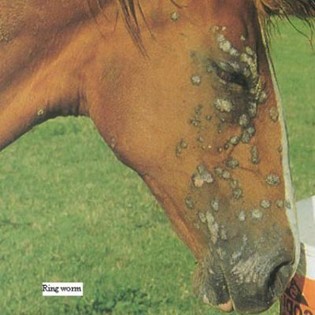
Signs to Watch For:
- Circular patches of hair loss
- Crusty or scaly skin
- Mild itching
- Lesions commonly found around the head, neck, and saddle area
Ringworm is highly contagious and can spread between horses, as well as to humans through direct contact or contaminated grooming equipment, tack, and stable surfaces. We often see a spike in cases around this time of year with yards restocking at the store sales and the young stock frequently have not yet developed the level of immunity that older horses allowing it to spread like wildfire.
Prevention Tips:
- Disinfect shared equipment regularly with anti fungals
- Isolate affected horses when possible especially when coming from sales or unknown sources
- Maintain good stable hygiene
- Avoid sharing brushes and rugs
Most cases resolve with appropriate antifungal treatment generally with Imaverol and environmental management.
Sweet Itch
Sweet itch is one of the most frustrating skin conditions for horse owners. It is an allergic reaction to the saliva of biting midges (Culicoides species).
Common Symptoms:
- Intense itching
- Hair loss along the mane, tail and around the face
- Thickened or damaged skin
- Rubbing against fences, trees, or stable walls
Sweet itch can significantly affect a horse’s quality of life if left unmanaged.
Management Strategies:
- Use fly rugs designed for sweet itch sufferers
- Apply insect repellents
- Stable horses during peak midge activity (dawn and dusk)
- Eliminate standing water where possible
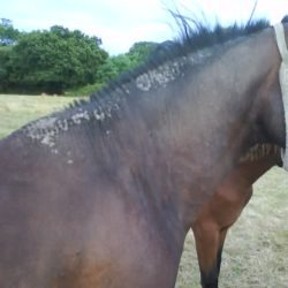
Early intervention before symptoms become severe is often the key to successful management.
Hives (Urticaria)
Hives appear as raised bumps or swellings across the skin and are typically caused by an allergic reaction.
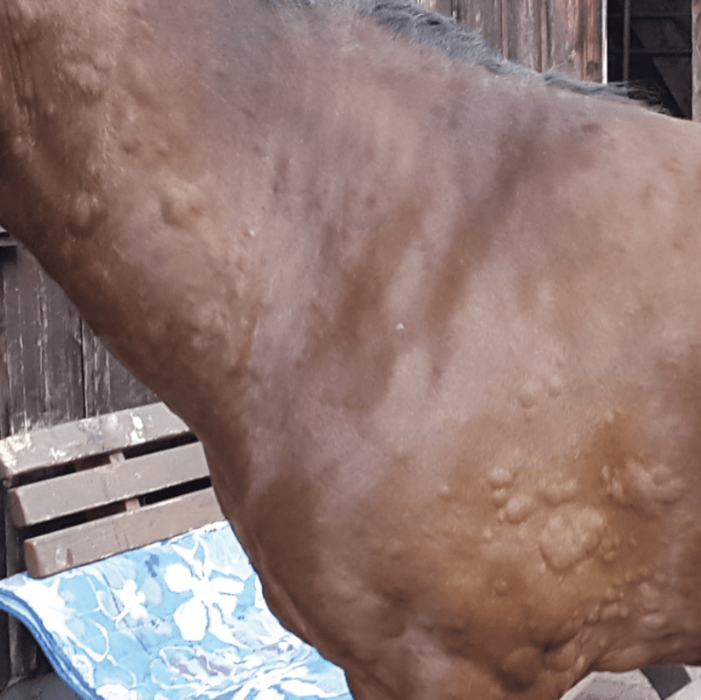
Possible Triggers:
- Insect bites
- Medications or vaccinations
- Feed changes
- Environmental allergens such as pollen or bedding
Clinical Signs:
- Multiple raised lumps under the skin
- Sudden onset
- Usually non-painful
- Occasionally accompanied by itching
While many cases resolve on their own or with one off treatment with corticosteroids, persistent or recurrent hives should be evaluated by your veterinarian to identify the underlying cause.
Rain Scald
Rain scald (also called rain rot) is a bacterial skin infection that thrives in warm, wet conditions.
Signs Include:
- Crusty scabs along the back and topline
- Matted hair tufts
- Tender skin underneath affected areas
- Hair loss after scabs detach
Horses that remain wet for prolonged periods are at greatest risk.
Prevention:
- Provide shelter during wet weather
- Ensure rugs remain clean and dry
- Groom regularly
- Avoid rugging up when excessively wet
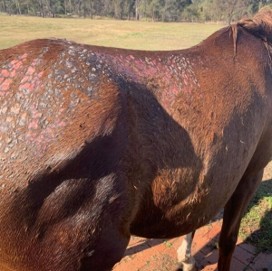
Prompt treatment helps prevent the infection from spreading and becoming painful.
Mud Fever
Mud fever affects the lower limbs and is commonly seen during periods of wet, muddy conditions.
Symptoms:
Scabs and crusting around the pasterns and heels
- Swelling of the lower legs
- Sensitivity or discomfort
- In severe cases, lameness
The condition occurs when moisture damages the skin barrier, allowing bacteria to invade.
Prevention Tips:
- Minimize prolonged exposure to muddy environments
- Gently clean and thoroughly dry affected limbs
- Maintain healthy skin condition
- Address small skin abrasions promptly
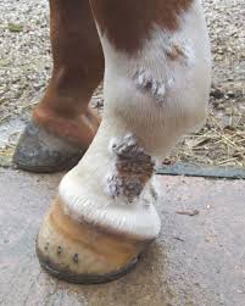
If lesions become extensive or painful horses can develop cellulitis and veterinary treatment may be required.
Sarcoids
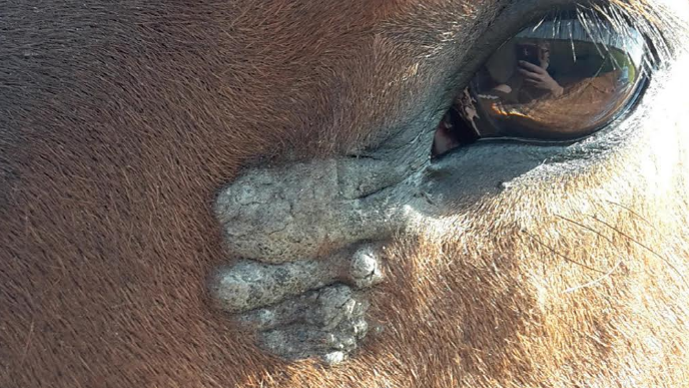
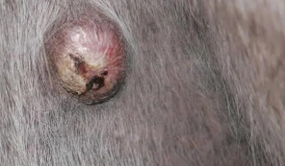
Sarcoids are the most common skin tumors found in horses. Although they do not spread internally like many cancers, they can be locally aggressive and difficult to manage.
What They Look Like:
- Wart-like growths
- Hairless patches
- Nodules beneath the skin
- Ulcerated or rapidly changing lesions
Sarcoids can occur anywhere on the body but are often found around the face, groin, chest, and legs.
Important Considerations:
- Avoid attempting to remove or treat lesions yourself
- Trauma to a sarcoid can stimulate growth
- Early veterinary assessment is recommended
Treatment options vary depending on location, size, and type, and may include topical therapies, banding, surgical intervention, laser treatment, cryotherapy, or immunotherapy.
When Should You Call Your Veterinarian?
Contact your veterinarian if you notice:
- Persistent itching or rubbing
- Hair loss or skin lesions
- Scabs, crusts, or swelling
- Rapidly growing skin masses
- Signs of pain, infection, or lameness
Early diagnosis and treatment often lead to better outcomes and improved comfort for your horse.
Healthy skin is an important part of your horse’s overall wellbeing. If you have concerns about any skin condition, or if you’d like advice on prevention and treatment strategies, please don’t hesitate to contact us.
Best wishes,
Patrick